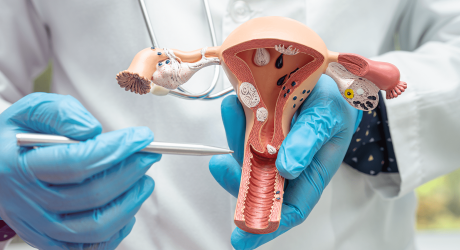

A miscarriage is the involuntary loss of a pregnancy before the 20th week. In most cases, it is not linked to a serious medical condition, but rather a natural response when the embryo does not develop correctly. However, there are factors that can increase the risk of pregnancy loss.
Advanced maternal age and genetic causes
Maternal age is one of the factors that can influence the risk of miscarriage. From the age of 35 onwards, egg quality progressively declines and the risk of chromosomal abnormalities in the embryo increases. Many first-trimester losses are related to these chromosomal abnormalities, which can prevent the pregnancy from progressing normally.
Endocrine and gynaecological conditions
Certain medical conditions can affect pregnancy viability, particularly if they are uncontrolled. These include:
- Thyroid problems, such as hypothyroidism or hyperthyroidism.
- Diabetes, particularly if blood sugar control is poor.
- Uterine conditions, such as fibroids, polyps or malformations.
- Hormonal imbalances that affect implantation or the maintenance of pregnancy.
Autoimmune and coagulation factors
In some cases, the cause of miscarriage may be related to immune disorders or circulatory problems. These conditions can interfere with proper placental formation and compromise the progression of the pregnancy. Some of these conditions are studied in particular in cases of recurrent miscarriage.
Unhealthy habits and lifestyle
There are modifiable factors that can also influence pregnancy risk:
- Tobacco, alcohol and other substance use.
- Obesity or extreme underweight.
- Prolonged exposure to environmental toxins.
Optimising these factors can help reduce risks and promote a more suitable environment for pregnancy.
Male factor and sperm health
Sperm quality can also influence the course of pregnancy. In some cases, abnormalities such as high sperm DNA fragmentation have been associated with an increased risk of pregnancy loss, as they affect early embryonic development. Therefore, in the investigation of recurrent miscarriages, the male factor must be included in the assessment.
When should an investigation be carried out?
Having a miscarriage does not mean there is a fertility problem, nor does it prevent a successful pregnancy in the future. In fact, most women go on to have a pregnancy without complications.
However, when there are two or more consecutive losses, it may be advisable to undergo a specialist assessment to identify possible causes and evaluate strategies to help reduce risks in future pregnancies.
At Barcelona IVF, these cases are addressed on an individual basis to provide answers, support and an assessment aimed at promoting a successful pregnancy.