Intermenstrual bleeding is any vaginal bleeding that occurs between two periods. It can appear as light spotting or as a more noticeable discharge, sometimes similar to a very light period.
When trying to conceive, this type of bleeding can cause concern. However, it does not always indicate a problem, as in many cases it is due to hormonal changes inherent to the menstrual cycle.
Therefore, observing its characteristics and the stage of the cycle at which it occurs is key to distinguishing a physiological process from a situation that warrants further assessment.
How can you recognise intermenstrual bleeding?
Unlike a normal period, this bleeding is usually more irregular and variable. To identify it correctly, it is useful to pay attention to three aspects:
- Colour: it can range from bright red to dark brown.
- Amount: it is generally light, although in some cases it may be heavier.
- Associated symptoms: it may occur without discomfort or be accompanied by mild abdominal pain. If it has an unpleasant odour or is accompanied by discomfort when urinating, this could indicate an infection and you should seek medical advice.
What are the causes of intermenstrual bleeding?
Intermenstrual bleeding can have various causes. In many cases, it is related to changes due to the menstrual cycle, although on other occasions it may be due to conditions that warrant assessment.
Causes related to the menstrual cycle
Some bleeding is part of the normal variability of the cycle:
- Ovulation: some women experience light spotting mid-cycle due to a drop in oestrogen following the release of the egg.
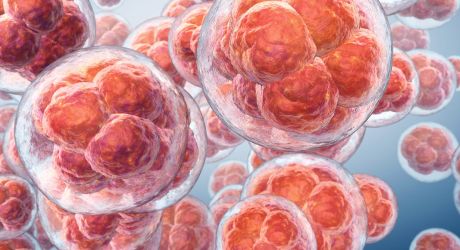
- Implantation bleeding: this can occur when the embryo attaches to the endometrium. It is usually light, pink or brown in colour, and occurs a few days before the expected date of menstruation.
- Insufficient luteal phase: when progesterone production is low, the endometrium may begin to shed prematurely, causing spotting before your period.
Other causes worth investigating
In other cases, bleeding may be related to gynaecological conditions that require assessment:
- Uterine polyps or fibroids: these benign growths can irritate the uterine tissue or cause bleeding.
- Endometriosis: this condition may be associated with abnormal bleeding.
- Infections: conditions such as cervicitis or pelvic inflammatory disease can cause inflammation and intermenstrual bleeding.
- Cervical abnormalities: minor changes or lesions in the cervix can cause bleeding.
When should you consult a specialist?
If bleeding occurs only occasionally, it is usually not clinically significant. However, it is advisable to seek advice if:
- The bleeding recurs over several cycles.
- It is heavy or accompanied by severe pelvic pain.
- It occurs after sexual intercourse.
- It is accompanied by a fever or discharge with an unusual odour.
Identifying the cause of the bleeding allows us to rule out problems and take the most appropriate treatment, especially when you are hoping to conceive.