
The possibility of passing on a hereditary disease is one of the biggest concerns before a planned pregnancy, especially for individuals or couples with a family history of genetic disorders.
In this context, assisted reproduction techniques can help to reduce these risks and make informed decisions about family planning.
What is Preimplantation Genetic Testing (PGT)?
Preimplantation Genetic Testing (PGT) is a safe technique that allows embryos to be tested before they are transferred to the uterus or cryopreserved.
Its goal is to identify genetic or chromosomal abnormalities and select the embryos that offer the highest chances of a successful pregnancy.
Why is PGT a significant advance in reproductive medicine?
PGT makes it possible to reduce the risk of transmitting certain hereditary diseases, such as cystic fibrosis, beta-thalassemia, or some muscular dystrophies.
Furthermore, in specific cases, it can improve the selection of suitable embryos.
When is PGT recommended?
PGT is not necessary for all treatments, but it may be indicated depending on the clinical characteristics of each patient or couple.
It is particularly recommended for:
- Women over 40
- Patients with recurrent miscarriages
- Couples who are carriers of genetic diseases
- Cases of recurrent implantation failure.
How is PGT performed?
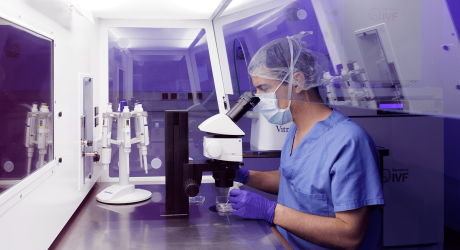
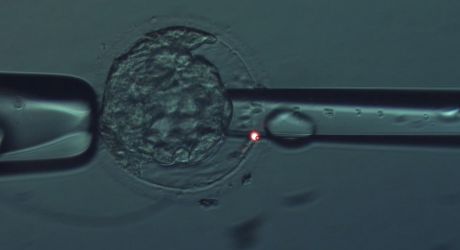
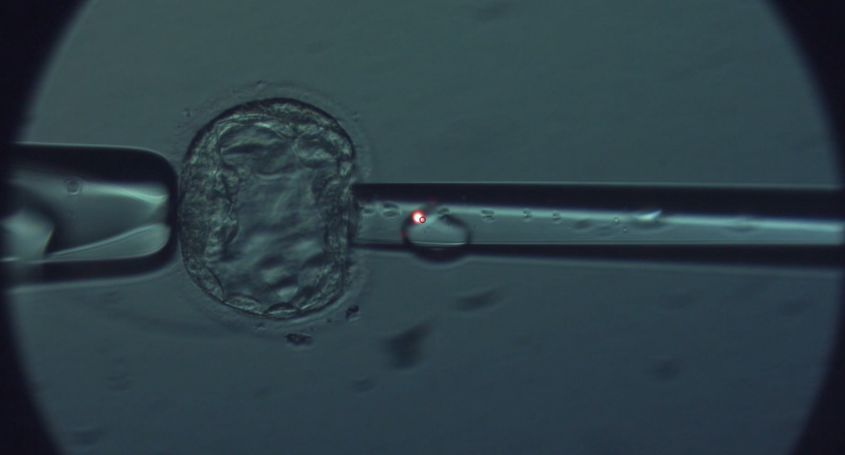
To carry out this test, an embryo biopsy is performed on day 5 of development (blastocyst stage).
A laser is used to make a small opening in the zona pellucida of the embryo, through which a few cells are extracted for analysis in the laboratory.
Subsequently, techniques such as NGS (Next Generation Sequencing) are used to assess whether the embryo has the correct number of chromosomes or whether specific genetic abnormalities are present.
At Barcelona IVF, Preimplantation Genetic Testing is integrated into a personalised approach that allows each case to be assessed individually. The goal is to provide clear information, reduce risks where possible, and support each patient throughout the decision-making process to increase the chances of a successful pregnancy.