Talking about vaginismus is not always easy. Many women live it in silence, without knowing exactly what is happening to them or why they feel pain or blockage in the face of penetration. However, understanding what it is and how it is treated is the first step to leaving fear behind and regaining well-being.
What is vaginismus
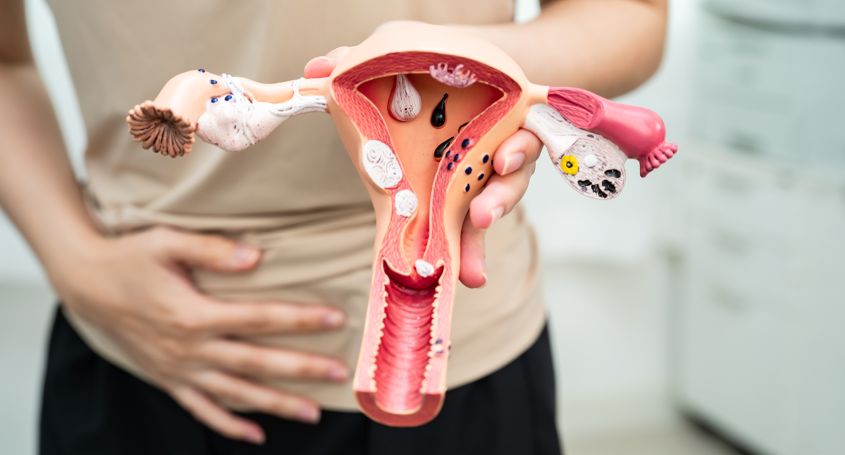
Vaginismus is not a "mental block" or a simple physical problem. It consists of an involuntary contraction of the pelvic floor muscles – mainly the muscles of the vagina – that appears as a reflex response of the body to a situation perceived as painful or threatening. This reaction can occur even when there is sexual desire or trust with the partner.
There are varying degrees of vaginismus: in some cases, penetration is possible but painful; in others, it is completely impossible. It can also be primary (when it occurs from the first sexual intercourse) or secondary (when it appears after a period of sexual life without difficulty, often due to a painful experience or a physical or emotional change).
Most common symptoms
The main symptom is the impossibility of vaginal penetration, accompanied by pain, burning or a sensation of blockage. However, vaginismus does not only manifest itself in the body. It can generate anxiety, frustration, feelings of guilt or fear of rejection, and affect self-esteem and life as a couple.
Sometimes, women with vaginismus avoid gynecological check-ups or any situation that involves a vaginal examination, which can delay diagnosis.
Possible causes
Vaginismus usually has a multifactorial origin, in which physical, emotional and contextual factors intervene. Common causes include:
- Previous experiences of pain during sex (dyspareunia).
- Trauma or negative sexual experiences.
- Restrictive sex education or negative beliefs about sex.
- Stress, anxiety, or fear of penetration.
- Physical changes (infections, childbirth, menopause) that have caused pain.
Identifying the cause helps guide the most appropriate treatment, which usually combines physical and psychological therapy.
Effective treatments
The treatment of vaginismus is highly effective when approached holistically. The most recommended approaches include:
- Pelvic floor physiotherapy: this is the main pillar of treatment. It allows you to identify and relax the muscles involved, improve body awareness and regain voluntary control. Manual techniques, breathing exercises, stretches and, in some cases, vaginal dilators are used in a progressive and guided way.
- Sexual or psychological therapy: helps to work on fear, anxiety or previous experiences associated with pain, promoting a safer and more positive experience of sexuality.
- Sex education and partner accompaniment: understanding how the body works and having emotional support greatly facilitates recovery.
- Medical or gynecological treatment, if there are associated physical causes (such as infections or vaginal dryness).
Vaginismus can have a big emotional impact, but it doesn't define sex life or femininity. Asking for help is the first step towards recovery. With proper diagnosis and personalized treatment, most women manage to overcome pain and regain confidence in their body.
Dr. Cristina Guix
Gynecologist expert in fertility in Barcelona IVF