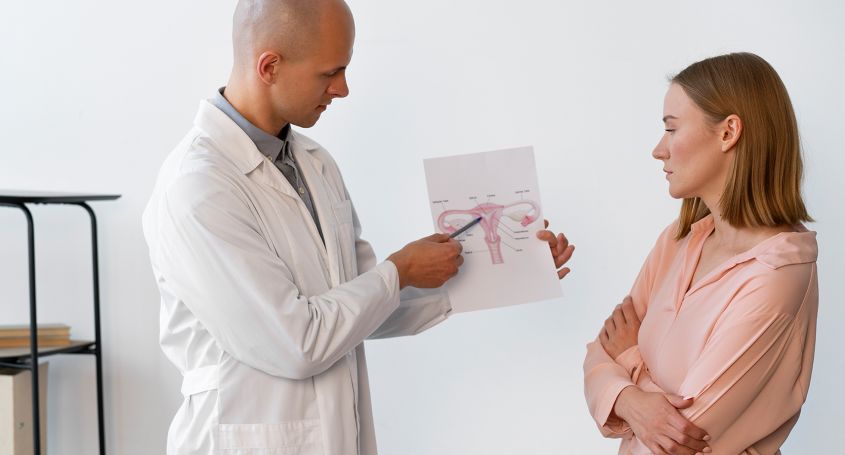

Uterine adhesions, also known as uterine synechiae, are bands of scar tissue that form inside the uterus. In many cases, they cause no symptoms and may go unnoticed for years. However, when they alter the anatomy of the uterine cavity, they can hinder embryo implantation or increase the risk of certain complications during pregnancy.
For this reason, when there are fertility problems or a history suggesting their presence, it is important to carry out an assessment to confirm the diagnosis and determine whether treatment is necessary before starting assisted reproduction treatment.
What are uterine adhesions?
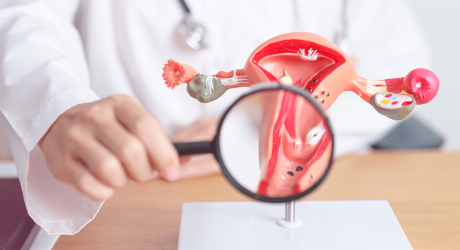
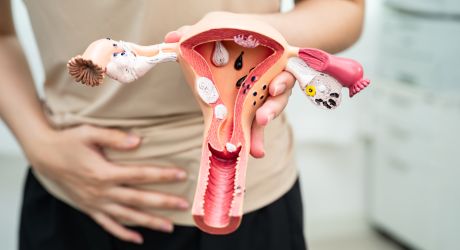
Uterine adhesions occur when scar tissue forms inside the uterine cavity, causing two areas of the endometrium to become stuck together.
Their cause is usually linked to endometrial damage following procedures such as a uterine curettage, certain gynaecological surgeries or some infections.
Their extent can also vary considerably. Whilst some affect only a small area, others can significantly alter the shape of the uterine cavity.
What symptoms can they cause?
Uterine adhesions can lead to a reduction in menstrual bleeding or even the absence of menstruation. They can also cause pain during menstruation or make it difficult to conceive.
However, in many cases they do not produce any noticeable symptoms and are diagnosed during a fertility assessment or following several failed implantations.
How are uterine adhesions treated?
Treatment will depend on the number, the location and the extent of the adhesions, as well as on the symptoms and each patient’s desire to have children.
When synechiae alter the uterine cavity or may compromise fertility, the treatment of choice is usually surgical hysteroscopy. This technique allows access to the interior of the uterus without the need for incisions, in order to remove the scar tissue and attempt to restore the normal anatomy of the uterine cavity.
Following the procedure, the specialist may recommend various measures to promote proper healing and reduce the risk of the adhesions recurring. Furthermore, post-operative monitoring ensures that the uterus has returned to a healthy state before attempting to conceive or commencing assisted reproduction treatment.
When is it recommended to treat them before fertility treatment?
When adhesions may interfere with embryo implantation or compromise the course of pregnancy, it is generally recommended to treat them before starting assisted reproduction treatment.
However, the decision must always be made on a case-by-case basis. The specialist will assess the characteristics of the adhesions, the patient’s medical history and the planned reproductive treatment before determining the most appropriate strategy.
At Barcelona IVF, each case is assessed on an individual basis to identify the factors that may be hindering pregnancy and to determine the most appropriate strategy before starting assisted reproduction treatment.