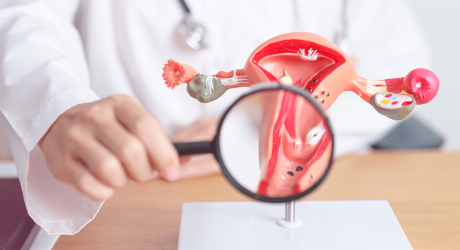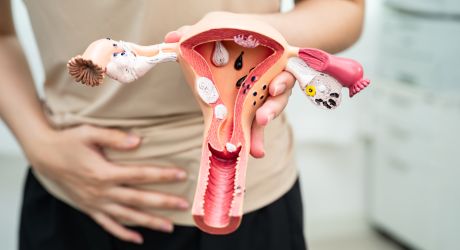
In assisted reproduction, the study of microbiota is advancing rapidly and opening new areas of knowledge. Each study offers valuable clues about how the bacteria present in the gut, vagina, or endometrium might be related to various reproductive processes.
At the same time, terms like dysbiosis, specific probiotics, or diets for microbiota "regulation” have become widely popular. However, they often oversimplify a field that remains complex and is constantly evolving. This is why it is important to interpret the information with caution and always based on the available evidence.
Some of the most widespread ideas in this field are:
1. ”Probiotics improve embryo implantation”
The role of the microbiota in relevant aspects of reproductive health – such as endometrial inflammation or endometrial receptivity – is a very promising and quickly evolving field. However, with the current evidence, we cannot claim that taking a specific probiotic improves implantation.
The clinical approach to microbiota always requires individual assessment, appropriate testing, and a personalized plan designed by specialized professionals to determine whether a probiotic can be truly helpful in each case.
2. "Eating certain foods can balance your microbiota and help you get pregnant"
Following a healthy diet is beneficial for overall health and can indirectly influence reproductive health. However, currently available scientific evidence does not prove that a specific food can alter the vaginal or endometrial microbiota resulting in improved fertility.
The link between nutrition and microbiota involves multiple factors – nutritional, metabolic, immunological, and hormonal – which are still being researched.
Therefore, any dietary intervention with reproductive goals should be approached holistically, as part of a healthy lifestyle, and if necessary, under the guidance of experts for nutrition and reproductive health.
3. "If you have dysbiosis, you won't be able to get pregnant"
The term dysbiosis is being used with increased frequency, although it’s meaning is not always uniform.
Fertility depends on many factors: age, ovarian reserve, semen quality, endometrial health, and other genetic and physiological factors. The microbiota is just one piece of this puzzle.
Therefore, a result indicating a “non-ideal” microbiota does not, by itself, determine the possibility of pregnancy. What is important is to interpret this information in the broader context of each patient.
4. "It’s essential to do a microbiota test before starting IVF treatment"
Despite the growing popularity of the term dysbiosis, it is not always clear what exactly it means. Indeed, fertility is a multifactorial process in which age, ovarian reserve, semen quality, endometrial health, genetics, and many other factors play a role. The microbiota is one part of this complex system, and not an isolated indicator determining the prognosis.
Therefore, a result indicating a “suboptimal” microbiota does not mean that pregnancy is not possible. What truly matters is to interpret this information in the overall clinical context of each patient, with an individualized, evidence-based approach.
5. "The microbiota explains all implantation failures"
Although some studies suggest that the microbiota could be related to certain reproductive processes, it is still unclear whether its variations are a cause, a consequence, or simply another finding within a complex bigger picture.
Implantation failures can have various origins – embryonic, uterine, immunological, genetic, or age-related – and they require a comprehensive examination.
Microbiota study is a rapidly developing field, with promising advancements and many questions still to be answered. At Barcelona IVF, we follow this development with clear, understandable, and evidence-based communication, so that each patient can make informed decisions with serenity and confidence.
Science advances, and we advance with it: responsibly, step by step, always keeping the people at the center of our work.
Dr. Cristina Guix
Fertility Specialist at Barcelona IVF