Receiving a diagnosis of breast cancer means facing many decisions in a very short amount of time. At that moment, the priority is to begin cancer treatment, so it is understandable that the desire to have children in the future is temporarily put on the back burner.
However, for many women of reproductive age, there are options to preserve fertility before beginning treatment. Being aware of these options from the moment of diagnosis allows you to evaluate the most appropriate strategy for keeping the possibility of pregnancy open once the disease has been overcome.
What is oncofertility?
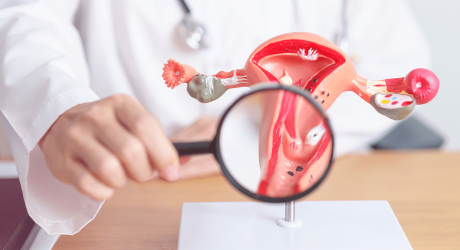
Oncofertility is the discipline that integrates oncology and reproductive medicine with the goal of preserving fertility in people who will undergo treatments that may impact reproductive function.
In the case of breast cancer, some treatments can affect ovarian reserve and reduce the ability to become pregnant in the future. The risk varies depending on different factors, such as the patient’s age, the planned treatment, and her individual clinical situation.
For this reason, leading scientific societies recommend that patients of childbearing age receive information about the potential consequences of cancer treatment on fertility and counseling on the options available to preserve it before beginning treatment.
What options are available for preserving fertility?
The most appropriate strategy will depend on factors such as the age of the patient, the type of tumor, and the time available before starting cancer treatment.
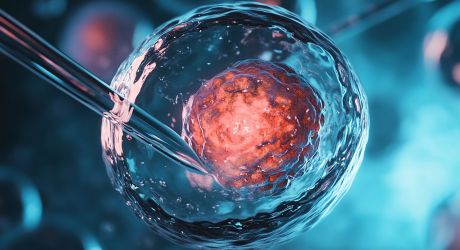
In women who have already reached reproductive maturity, egg vitrification is one of the most commonly used options. This procedure involves performing controlled ovarian stimulation to retrieve eggs. The eggs are then preserved using an ultra-rapid freezing technique, with the goal of using them in the future if the patient wishes to become pregnant.
In any case, the decision must be made on an individualized basis and in coordination between the oncology team and the assisted reproduction specialist.
When should fertility preservation be performed?
Whenever possible, the evaluation should take place before starting cancer treatment. Once treatment has begun, options for preserving fertility may be limited.
For this reason, it is advisable to seek specialized counseling from the moment of diagnosis. An early evaluation allows patients to learn about the available alternatives and plan the procedure in coordination with the oncology team, without delaying the start of treatment in most cases.
At Barcelona IVF, we work in coordination with oncology teams to offer personalized counseling on the various fertility preservation options. We believe that having clear information from the start allows for more informed decisions, taking into account each woman’s clinical situation and life plans.
Frequently Asked Questions
Does chemotherapy or radiation therapy always cause infertility?
No. The impact on fertility depends on the type of treatment, the dose administered, and the patient’s age. Therefore, the assessment must always be conducted on an individual basis.
Is it possible to vitrify eggs after starting gonadotoxic treatment?
Whenever possible, fertility preservation should be performed before starting cancer treatment, since once treatment has begun, the options may be more limited.
Does fertility preservation delay cancer treatment?
In most cases, current protocols allow for coordinating fertility preservation with the start of cancer treatment, minimizing delays. Planning should be carried out jointly by the oncology team and the assisted reproduction specialist.