
The way we understand perimenopause is changing. For years, this stage has mainly been associated with symptoms such as hot flushes or menstrual changes.
However, there is increasing evidence that the transition towards menopause is accompanied by hormonal and metabolic changes that may appear years before the best-known signs become noticeable.
What is perimenopause?
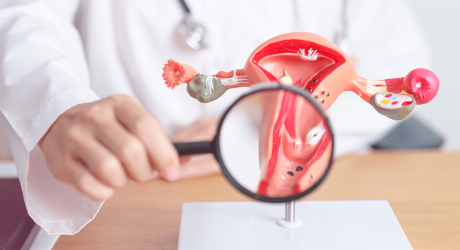
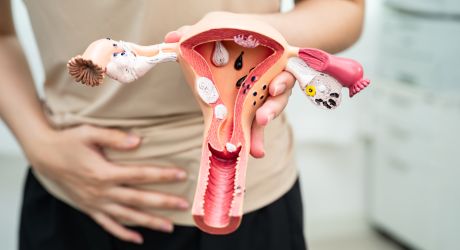
Perimenopause is the transition stage before menopause, when the ovaries begin to function more irregularly. As a result, hormone levels fluctuate, especially oestrogen and progesterone.
Although it usually begins in the mid-40s, there is increasing evidence that the biological changes associated with this transition start much earlier than the moment when its first symptoms are clearly identified.
A new way of understanding perimenopause
Traditionally, perimenopause was diagnosed based on symptoms considered "classic", especially hot flushes and menstrual irregularities. However, recent research suggests that this view may be too limited.
An international study of more than 17,000 women from 158 countries found that, although hot flushes are the symptom most women associate with perimenopause, they are not the most frequent one.
The most common symptoms during perimenopause were:
- Fatigue
- Physical and mental tiredness
- Irritability
- Mood changes
- Sleep disorders
- Anxiety and digestive problems
- Difficulty concentrating or "brain fog"
- Changes in body weight
These findings have helped to broaden the concept of perimenopause and to view it as a complex process that affects multiple systems in the body and may present very differently in each woman.
Why is perimenopause underdiagnosed?
One of the main reasons is that many of its symptoms are non-specific and can easily be confused with other common situations at this stage of life.
Fatigue, difficulty concentrating, mood changes or sleep problems are often attributed to stress, workload, family responsibilities or simply the pace of modern life.
As a result, many women do not link these symptoms to the menopausal transition and may spend years without identifying their real cause.
Understanding the transition to live it better
Perimenopause is not an illness, but a natural stage in a woman's life. Better understanding the changes that accompany it not only helps identify its symptoms, but also makes it possible to experience this transition with greater knowledge, confidence and understanding.