
More and more women are choosing to delay motherhood for personal or professional reasons, or because they have not yet found the right time to take that step. In other cases, the need to preserve fertility arises after the diagnosis of an illness or before starting medical treatment that may compromise ovarian function.
In both cases, egg vitrification offers the possibility of preserving eggs while they still have good reproductive potential and, in this way, increasing the chances of achieving pregnancy in the future.
What is the best time to vitrify eggs?
Age is one of the factors that most influences vitrification outcomes. As the years go by, both the number and quality of eggs decline, so preserving them at a younger age usually offers higher chances of success.
For this reason, vitrification is usually recommended before the age of 35-36, when the reproductive potential of the eggs is generally higher.
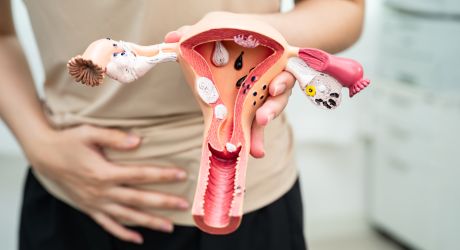
However, age is not the only factor to take into account. Ovarian reserve and each woman's reproductive goals are also important factors when deciding the most appropriate time.
What does egg vitrification involve?
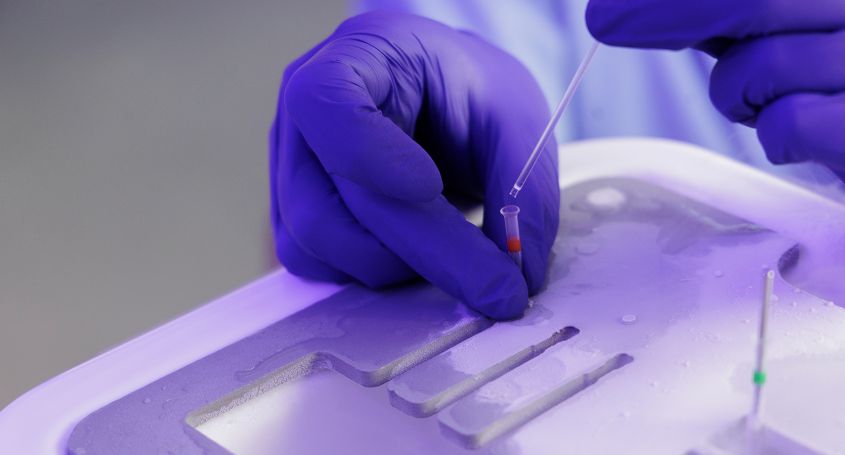
Vitrification is an ultra-rapid freezing technique that makes it possible to preserve eggs at -196 °C. This process prevents ice crystals from forming inside the cells, helping to preserve their biological characteristics.
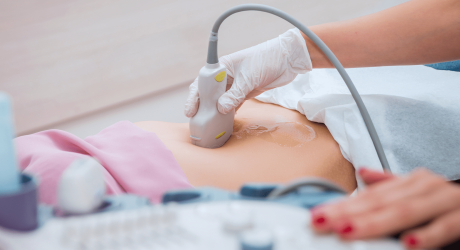
Before starting treatment, a fertility assessment is carried out, including a hormone blood test and an ultrasound scan to assess ovarian reserve and plan the procedure on an individualised basis.
Next, ovarian stimulation is performed to encourage the development of several follicles. When the eggs reach the appropriate level of maturity, they are retrieved through ovarian puncture and then vitrified.
How many eggs is it advisable to vitrify?
There is no number of eggs that is suitable for every woman. The recommended number will depend mainly on age at the time of vitrification and on each patient's reproductive goals.
As a reference, it is usually considered advisable to vitrify at least 8 to 10 eggs in order to have a reasonable chance of achieving pregnancy. However, this figure should always be adapted to each woman's characteristics.
In general terms, the higher the number of eggs preserved, the greater the chances of success. For this reason, the specialist will assess whether a single stimulation cycle is sufficient or whether more than one may be recommended to optimise the chances of success.