
Polycystic endocrine ovarian metabolic syndrome (PEOMS), previously known as polycystic ovary syndrome (PCOS), is one of the most common hormonal disorders in women of reproductive age, and one of the main causes of infertility due to ovulation disorders.
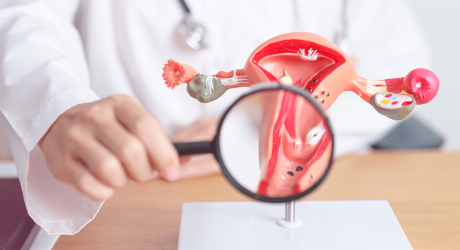
Although they are often confused, having ovaries with a polycystic appearance does not necessarily mean having PEOMS. Polycystic ovaries are an ultrasound finding that, on their own, do not imply the presence of this syndrome or determine fertility. PEOMS, however, is a complex hormonal and metabolic disorder that can affect ovulation.
In any case, having PEOMS does not mean that achieving pregnancy is impossible. With an appropriate diagnosis and personalised treatment, many women achieve pregnancy, either naturally or through assisted reproduction techniques.
Why did PCOS come to be called PEOMS?
Polycystic endocrine ovarian metabolic syndrome (PEOMS) is a complex hormonal and metabolic disorder that can alter ovarian function, ovulation and the menstrual cycle.
Until recently, it was known as polycystic ovary syndrome (PCOS). However, this name did not reflect the complexity of the condition. For this reason, in May 2026 an international coalition made up of 56 scientific, clinical and patient organisations published a consensus in The Lancet to update its name.
The term PEOMS more accurately reflects that it is a complex hormonal, metabolic and endocrine disorder, and not only an alteration in the appearance of the ovaries. However, both names will continue to coexist for some time, so the term PCOS will still commonly be found.
What are the symptoms of PEOMS?
Symptoms can vary from one woman to another. Some women have clear manifestations from adolescence, while others discover it when starting a fertility study.
The most common signs and symptoms are:
- Irregular menstrual cycles or absence of menstruation.
- Irregular ovulation or absence of ovulation.
- Signs of hyperandrogenism, such as acne, increased body hair or hair loss.
- Polycystic ovarian morphology on ultrasound.
- In some women, overweight or insulin resistance.
How does PEOMS affect fertility?
The main cause of infertility associated with PEOMS is ovulation disorder.
In many women with PEOMS, follicles begin to develop but do not reach the maturity needed to release an egg. As a result, ovulation may occur less frequently or may not occur in some cycles, reducing the chances of pregnancy.
Even so, having PEOMS does not mean that achieving pregnancy is impossible. Many women become pregnant naturally and, when necessary, assisted reproduction techniques can increase the chances of success in a personalised way.
How is PEOMS treated when there is a desire to become pregnant?
Treatment will depend on each woman’s characteristics and reproductive goals.
- When there is overweight or obesity, the first measure is usually to adopt healthy lifestyle habits. A balanced diet and regular physical exercise can help restore ovulation and increase the chances of pregnancy. In some patients with insulin resistance, the specialist may also consider treatment with glucose-lowering medication.
- If pregnancy is not achieved naturally, the next step is usually to induce ovulation with medication. The aim is to promote the development and release of a mature egg to increase the chances of conception.
- When ovulation induction is not sufficient or there are other infertility factors, assisted reproduction treatments such as artificial insemination or in vitro fertilisation (IVF) may be indicated. The choice will always depend on each patient’s characteristics and the assessment made by the specialist.
Frequently asked questions
Is polycystic endocrine ovarian metabolic syndrome (PEOMS) the same as polycystic ovary syndrome (PCOS)?
Yes. PEOMS is the new name adopted following an international consensus for the condition traditionally known as polycystic ovary syndrome (PCOS). Although the name has changed, both terms will continue to be used for some time.
Does having polycystic ovaries mean I have PEOMS?
No. Having ovaries with a polycystic appearance on ultrasound does not necessarily mean having this syndrome. Diagnosis requires the joint assessment of symptoms, hormonal alterations and other clinical criteria.
Is it possible to get pregnant with PEOMS?
- Yes. Although PEOMS can make ovulation more difficult and reduce the chances of pregnancy, many women achieve pregnancy, either naturally or through assisted reproduction treatments.