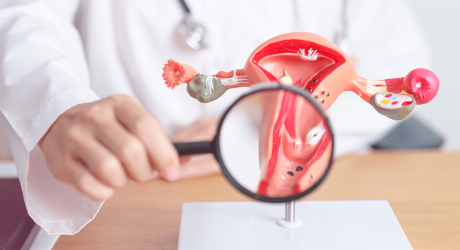
Fertility changes naturally throughout a woman’s reproductive life. From birth, the number of oocytes decreases progressively, and over the years, their quality also changes. At the same time, the functioning of the ovaries and the menstrual cycle reflects how reproductive health evolves, whether or not there is a desire to become pregnant.
Understanding these changes helps women better understand their own bodies, identify potential issues as they arise, and make informed decisions about reproductive health at every stage of life.
Fertility Evolves from Birth
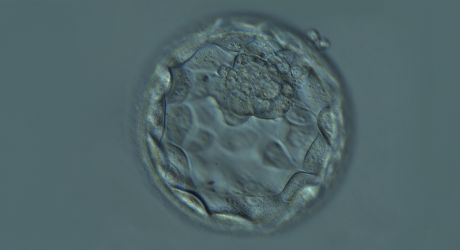
Women are born with a limited number of oocytes, which naturally decreases over time. During fetal development, the ovaries contain between 1 and 2 million oocytes. However, by the time puberty is reached, that number drops to approximately 300,000–500,000 as a result of a physiological process of progressive loss known as follicular atresia.
From that point on, during each menstrual cycle, several oocytes begin to develop, although typically only one will be released during ovulation. In total, it is estimated that only between 300 and 500 oocytes will complete their maturation over the course of a woman’s reproductive life.
This process explains why the ovarian reserve—that is, the number of available oocytes—progressively decreases with age and is one of the factors that most influence female fertility.
How Fertility Changes at Different Stages of Life
Fertility changes naturally over the years. Although every woman experiences this process differently, there are changes that are part of the normal functioning of the reproductive system.
- Adolescence: During the first few years after the first menstrual period, it is common for cycles to be irregular and for not all of them to be ovulatory, as the hormonal axis is still maturing. In most cases, this situation normalizes over time.
- Reproductive age: Ovulation usually occurs regularly, and the chances of pregnancy are higher. However, having regular cycles alone does not guarantee normal fertility. The quality of the oocytes, the condition of the fallopian tubes, the uterine cavity, and male factors also influence reproductive capacity.
- From age 35 onward: The decline in ovarian reserve becomes more evident, and egg quality also begins to decline. As a result, the chances of spontaneous pregnancy gradually decrease, and the risk of chromosomal abnormalities in embryos increases.
- From age 40 onward: These changes become more pronounced. The likelihood of achieving a pregnancy decreases significantly, and the risk of miscarriage and chromosomal abnormalities increases, primarily due to the natural aging of the oocytes.
- Perimenopause and menopause: Hormonal changes become more evident. Menstrual cycles become increasingly more irregular, and ovulation gradually diminishes until it finally ceases with menopause.
What factors besides age can affect fertility?
Although age is the main factor influencing female fertility, it is not the only one. There are other conditions that can affect the ovarian reserve or reproductive health and, consequently, reduce the chances of pregnancy.
These include gynecological conditions such as endometriosis, certain surgeries on the ovaries, some treatments—such as gonadotoxic therapies—smoking, or a family history of early menopause. In addition, fertility can also be affected by other factors, such as fallopian tube abnormalities, uterine conditions, or—when there is a male partner—male factor infertility.
For this reason, fertility assessment must always be conducted on an individualized basis, taking into account each woman’s medical history, age, and circumstances.
Why is it important to take care of fertility at every stage of life?
Reproductive health deserves attention regardless of whether or not there is a desire to become pregnant.
Sticking to gynecological checkups, consulting a doctor about changes in the menstrual cycle, and adopting healthy lifestyle habits all contribute to maintaining fertility and overall well-being.
Fertility does not begin when the desire to become a mother arises, nor does it cease to be important when that desire fades. Understanding how it changes over the course of a woman’s life allows for the early detection of potential issues and enables informed decisions about reproductive health.
Frequently Asked Questions
Is it normal for fertility to change with age?
Yes. Fertility naturally evolves over the course of a woman’s life. The quantity and quality of eggs gradually decline with age, especially after age 35.
Can I have my fertility evaluated even if I don’t want to get pregnant?
Yes. Understanding your ovarian reserve and how your menstrual cycle works can provide useful information about your reproductive health, even if you’re not currently trying to get pregnant.
When should I consult a fertility specialist?
It’s advisable to consult a specialist if you experience persistent menstrual cycle irregularities, lack of ovulation, difficulty getting pregnant, or have concerns about reproductive health and fertility preservation options.