Success rates with the ROPA method depend mainly on the age and oocyte quality of the woman providing the eggs, although these are not the only factors that influence prognosis. Ovarian reserve, response to stimulation, embryo quality and the characteristics of the uterus of the woman carrying the pregnancy should also be assessed before estimating the real chances of pregnancy.
More and more female couples are choosing to build a family through the ROPA method (Reception of Oocytes from Partner), an assisted reproduction technique that allows both women to take an active role in the reproductive process: one provides the eggs and the other carries the pregnancy.
When considering this treatment, it is natural for one of the first questions to be about the chances of achieving a pregnancy. However, our experience has shown us that success rates only become truly meaningful when they are interpreted within the clinical context of each couple.
That is why, beyond percentages, the most important thing is to analyse which factors can genuinely influence prognosis and how to adapt the strategy to the needs of each case.
The age of the woman providing the eggs is the main prognostic factor in the ROPA method.
From a clinical point of view, ROPA success rates are comparable to those of conventional In-vitro-fertilisation (IVF). In both cases, the main factor influencing prognosis is the age of the woman providing the eggs.
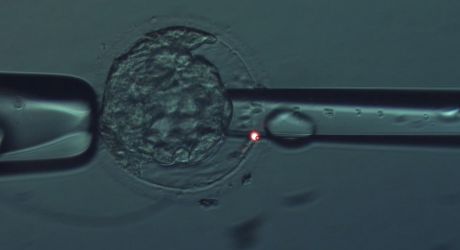
Egg quality declines progressively with age, which can affect embryo development and, consequently, the chances of achieving an ongoing pregnancy.
This trend is also reflected in our clinical experience. Cumulative pregnancy rates per cycle remain close to 80% when the woman providing the eggs is under 38 and decline progressively from that age, reaching 66.6% between the ages of 39 and 42¹.
These figures help us understand the general trend, but they cannot predict the outcome of a specific treatment. Each couple has its own clinical characteristics, which must be assessed individually before a prognosis can be offered.
Ovarian reserve and response to stimulation also influence prognosis.
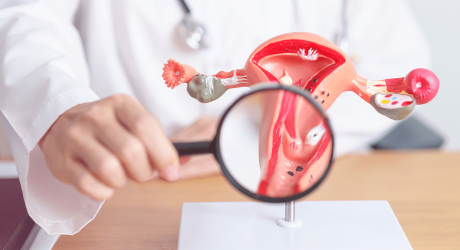
Age is the factor with the greatest influence on the chances of success, but it is not the only one. Ovarian reserve, response to stimulation and the characteristics of the uterus of the woman who will carry the pregnancy are also part of the clinical assessment carried out before treatment.
For this reason, two couples of a similar age may have different prognoses and require different strategies.
ROPA success rates should be interpreted transparently and within the clinical context.
At Barcelona IVF, we believe that a figure on its own can never explain the reality of an assisted reproduction treatment.
Our goal is not to make an estimate based solely on age or a general statistic. Before treatment, we carry out a complete assessment of both women to design a personalised strategy and provide a prognosis tailored to their circumstances.
Every treatment is unique, and so is the way it is planned. Our commitment is not to achieve the best figures for every patient, but to design the strategy that allows each couple to maximise their chances of success according to their individual characteristics and needs.
Frequently asked questions about ROPA success rates
Why is looking at an overall success rate not enough?
An overall success rate can provide guidance, but it does not predict the outcome of a specific treatment. To assess the real chances of pregnancy, both women need to be evaluated, and the medical strategy adapted to their situation.
Who is the ideal candidate to provide the eggs and who should carry the pregnancy?
The decision always depends on the couple’s wishes and the medical assessment of the gynaecology team. In general, egg quality tends to be better at a younger age, so age can be an important factor when deciding who will provide the oocytes.
Even so, the most important thing is to understand each couple’s plans to become parents, assess the clinical situation of both women and support the decision with clear medical information.
What medical requirements are there for undergoing the ROPA method?
The ROPA method is an in vitro fertilisation treatment for female couples, in which one woman provides the eggs and the other carries the pregnancy. Before starting treatment, it is therefore important to assess the ovarian reserve of the woman providing the eggs and the uterine or endometrial health of the woman who will carry the pregnancy.
Possible conditions such as fibroids, endometriosis or other gynaecological factors may also be assessed to help determine the role each woman can take within the treatment.