Barcelona IVF has developed a reproductive medicine model based on laboratory innovation, treatment personalisation and international care. The early incorporation of techniques such as IMSI, blastocyst culture and a specialised team for international patients has helped shape a patient-centred approach.
Reproductive medicine has evolved significantly over recent decades. The incorporation of new laboratory techniques, the development of more precise diagnostic technologies and increasingly personalised care have made it possible to improve treatments and adapt them to the needs of each patient.
At Barcelona IVF, this way of understanding reproductive medicine has been part of our approach from the beginning. Over the years, we have incorporated advances that are now part of routine practice in assisted reproduction, but which at the time represented a new approach to fertility treatment.
Barcelona IVF’s IVF laboratory is a key element in treatment personalisation
The laboratory is one of the fundamental pillars of any assisted reproduction treatment. Some of the most important stages of the process take place there, such as fertilisation, embryo culture and embryo selection.
For this reason, from the beginning we have invested in our own highly specialised laboratory, where innovation means more than simply adopting new technologies; it also means improving processes, reviewing protocols and working in coordination with the medical team to offer increasingly personalised care.
Barcelona IVF, one of the first clinics to incorporate IMSI technology in Spain
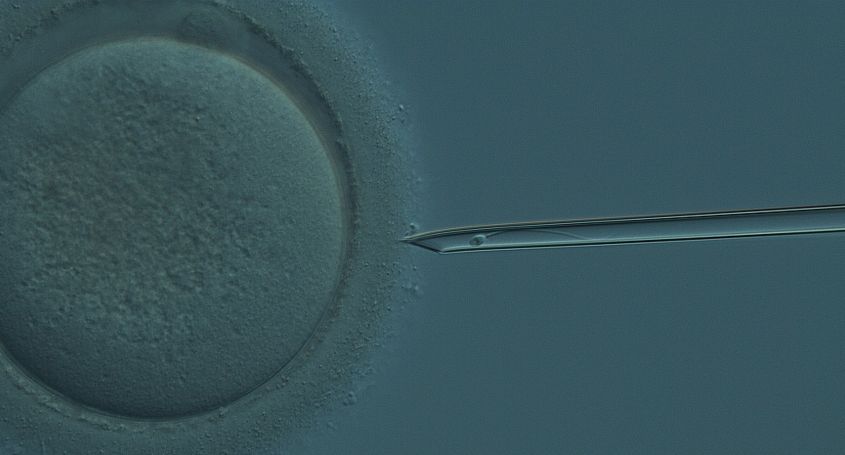
Our clinic was one of the first Spanish clinics to incorporate Intracytoplasmic Morphologically Selected Sperm Injection (IMSI).
This technique allows spermatozoa to be observed in greater detail before their microinjection into the egg. Although today its use is reserved for specific situations, its incorporation represented a major step in the evolution of sperm selection techniques.
Blastocyst culture as a standard working approach to better assess embryo development before transfer
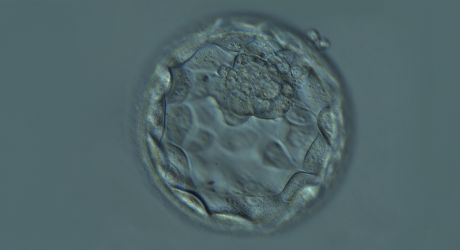
Another advance that contributed to the evolution of our laboratory was incorporating embryo culture to the blastocyst stage as a routine working strategy.
The blastocyst is a more advanced stage of embryo development, usually reached between days 5 and 6 of culture. Reaching this stage allows embryonic development to be assessed more accurately before making decisions about transfer or vitrification.
At Barcelona IVF, we were one of the first clinics in Spain to adopt this approach systematically.
Barcelona IVF developed a specific care model for international patients
Our commitment to innovation has not been limited to the laboratory. More than 15 years ago, we understood that international patients needed a care model adapted to their circumstances. For this reason, Dr Raúl Olivares established one of the first international care teams in assisted reproduction in Spain.
This model made it possible to develop care specifically designed for international patients, based on medical coordination, continuity of care and fluid communication throughout all stages of treatment.
Innovation also means continuing to evolve
At Barcelona IVF, we continue to incorporate technologies that provide real benefit to our patients, such as preimplantation genetic testing (PGT), indicated in specific situations, or new technologies based on artificial intelligence, which complement embryo assessment conducted by the team.
Our goal remains the same as it has been since the beginning: to combine innovation, clinical experience and personalisation in order to offer the most appropriate treatment in each case.
Innovation only makes sense if it improves patient care
For us, innovation means much more than incorporating new technologies. It means continuing to improve the care we provide, personalising each treatment and supporting every patient throughout the process.
This philosophy continues to guide the way we work. We combine the clinical experience of the medical team, a highly specialised laboratory and close care to offer the treatment that best suits the needs of each patient.
Frequently asked questions about the Barcelona IVF model
What makes the Barcelona IVF model different?
Barcelona IVF combines medical experience, its own specialised laboratory, technological innovation and personalised care. Its model is designed to adapt each treatment to the clinical and personal needs of every patient.
Why is it important to personalise fertility treatment?
Personalising fertility treatment makes it possible to adapt the medical strategy to each patient’s age, ovarian reserve, history and needs. It also means providing honest and transparent information about the real possibilities of treatment, so that decisions can be made based on medical evidence and realistic expectations.
At Barcelona IVF, personalisation is part of genuine support throughout the entire process, with close care, continuous follow-up and coordination between the different professionals involved in the treatment.
What should an international patient consider when choosing a fertility clinic in Spain?
An international patient should consider the clinic’s medical experience, the possibility of communicating in her own language, remote monitoring and the availability of support throughout the process. It is also important for the clinic to have a multidisciplinary team and smooth care coordination, especially when part of the treatment is organised from another country.
At Barcelona IVF, international care is based on personal communication, remote follow-up, 24/7 support and coordination between the medical team, laboratory and patient care team.