
Fertility preservation makes it possible to store eggs or sperm for future use. It may be considered when someone wishes to postpone motherhood or fatherhood, but also in the context of certain diseases or treatments that may affect reproductive capacity.
Understanding the available options and the best time to proceed helps patients make informed decisions about their reproductive future.
What does fertility preservation mean?
Fertility preservation includes different techniques aimed at storing eggs or sperm so they can be used later if pregnancy is desired.
In women, the most commonly used technique is egg vitrification, an ultra-rapid freezing procedure that allows the oocytes obtained after ovarian stimulation to be preserved.
In men, preservation is conducted by freezing a semen sample, which is stored so it can later be used in assisted reproduction treatment.
When can fertility preservation be considered?
One of the most common situations is the desire to postpone motherhood. Age is one of the factors that most influences female fertility. Over time, both the number and quality of eggs decrease, and this decline becomes more pronounced after the age of thirty-five.
Therefore, when egg vitrification is considered, the age at which it is performed is one of the factors that most influences the chances of using the eggs successfully in the future.
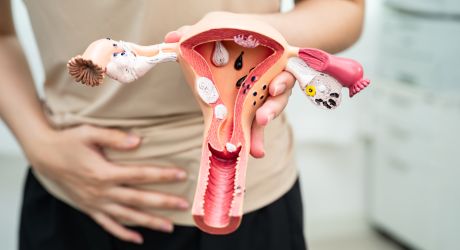
Fertility preservation may also be indicated for medical reasons, for example before certain cancer treatments or in the presence of diseases that may affect ovarian or testicular function.
How is female fertility preserved?
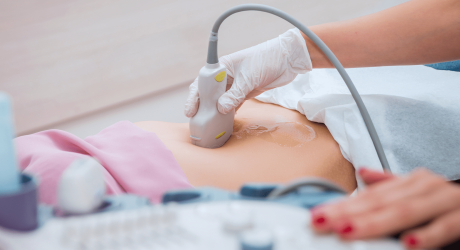
Female fertility preservation through egg vitrification begins with ovarian stimulation using hormonal medication. During this process, ultrasound check-ups are conducted to monitor follicle growth and determine the most appropriate time to retrieve the oocytes by ovarian puncture.
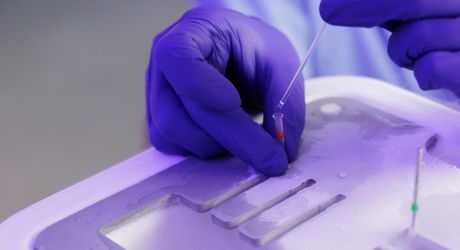
Once retrieved, the eggs are vitrified using ultra-rapid freezing and stored until the patient decides to use them.
Does fertility preservation guarantee pregnancy in the future?
Vitrification allows eggs to be stored for later use, but it does not guarantee pregnancy.
The chances will depend on varied factors, especially the age at the time of vitrification and the number and quality of oocytes obtained. There are other factors present when pregnancy is sought which may also play a role.
At Barcelona IVF, we know that deciding to preserve fertility is a personal decision that can depend on many factors. That is why we offer individualised counselling to understand each patient’s reproductive situation, answer questions, and assess which option may be most appropriate according to her circumstances.
Frequently asked questions
What is the best age to freeze eggs?
In general, the younger the age at the time of egg vitrification, the greater the likelihood of obtaining good-quality oocytes. However, there is no single appropriate age for all women, so the decision should consider age, ovarian reserve, and personal circumstances.
How long can eggs remain vitrified?
Eggs can remain vitrified for years without the time spent in storage causing them to age. When the decision is made to use them, they are warmed and fertilised in the laboratory as part of assisted reproduction treatment.
Can fertility be preserved before cancer treatment?
In many cases, yes. When cancer treatment may affect reproductive function, it is advisable to assess fertility preservation options before starting, provided the clinical situation and treatment timelines allow it.