Starting an assisted reproduction process often brings questions and uncertainty for couples. For many years, the focus of evaluation was placed almost exclusively on the woman. However, we now know that male evaluation is a fundamental part of identifying the cause of infertility and determining the most appropriate treatment to achieve pregnancy.
Physical examination: the first diagnostic step
Before performing any laboratory tests, a comprehensive clinical evaluation is essential. The goal is to dismiss possible anatomical or functional abnormalities of the male reproductive system.
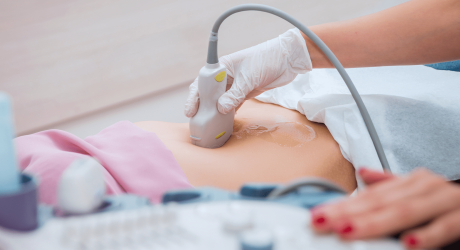
During this first visit, the specialist carries out a general evaluation of the male reproductive organs and testicular characteristics, sometimes supported by an ultrasound examination. This initial assessment helps properly guide the rest of the fertility evaluation.
Semen analysis
Semen analysis is the key test for evaluating male fertility. For accurate results, a period of sexual abstinence of 3 to 5 days is recommended.
The laboratory analyzes the sample from two perspectives :
- Macroscopic analysis: evaluation of volume, color, pH, and the time it takes for the semen to liquefy.
- Microscopic analysis: evaluation of sperm concentration, motility, morphology, and vitality (whether the sperm are alive, even if they are not moving).
It is important to note that an abnormal semen analysis result does not constitute a definitive diagnosis. Sperm production is a dynamic process, so repeating the test is often recommended to confirm whether the alteration is temporary or persistent.
Hormonal testing and karyotype
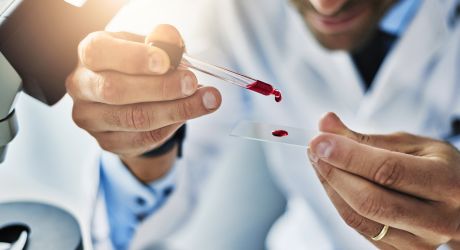
When the semen analysis shows abnormalities, the evaluation is completed with a blood test to further investigate the possible underlying cause:
- Hormonal testing: analysis of hormones that regulate sperm production, such as FSH, testosterone, and inhibin B.
- Karyotype analysis: examination of the chromosomes to rule out numerical or structural abnormalities that may be associated with infertility or possible problems in embryo development.
Additional tests
Depending on personal medical history, symptoms, or previous results, the andrologist may complete the evaluation with additional tests, such as sperm DNA fragmentation analysis, more specific genetic studies, or tests to detect possible infections.
Proper evaluation of male fertility allows for a better understanding of each situation and supports informed medical decision-making. A well-directed assessment helps identify possible causes and define the most appropriate path for each couple.
At Barcelona IVF, we approach male fertility evaluation in a personalized way, integrating it into a comprehensive view of the reproductive process and supporting each couple every step of the way.