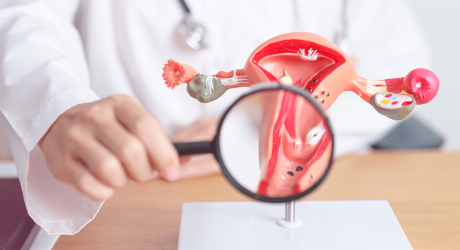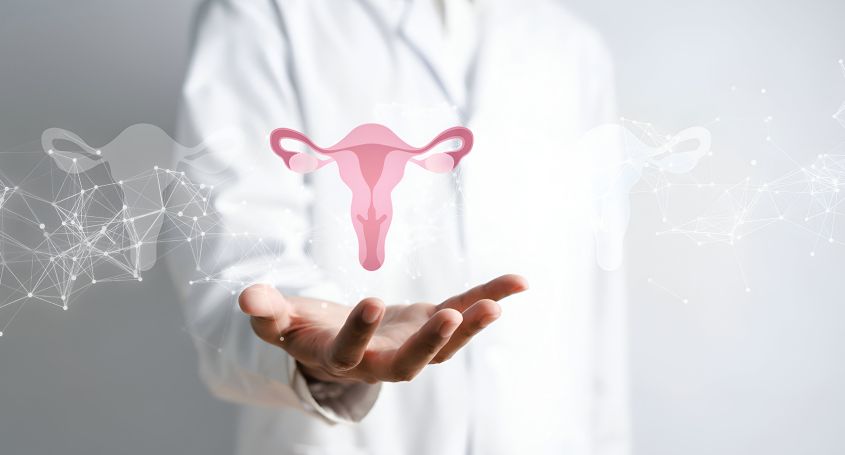
The endometrium is the tissue that lines the inside of the uterus and plays an essential role in reproduction. Every month, it gets prepared to receive an embryo and, if pregnancy does not take place, it sheds, resulting in menstruation.
In fertility treatments, the endometrium becomes even more important, as its thickness, appearance and development throughout the cycle can influence the chances of succes.
Why is the endometrium so important to achieve pregnancy?
The endometrium is where embryo implantation takes place. Several factors can influence the process, including embryo quality and the overall condition of the uterus and endometrium.
To understand why the endometrium does not always offer ideal conditions, it is important to know how it changes throughout the menstrual cycle:
- In the first half of the cycle, oestrogen promotes the endometrium's growth.
- After ovulation, progesterone transforms it to make it receptive, as in the optimal state to receive the embryo.
- If implantation does not take place, hormonal stimulation decreases and menstruation starts.
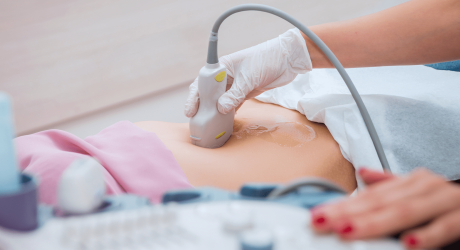
In assisted reproduction, the endometrium is evaluated by ultrasounds before the embryo transfer.
Which is the optimal thickness of the endometrium?
There is no single value that guarantees pregnancy, but there are guideline ranges that are considered most favourable. In general terms, a thickness between 6 and 10 mm at the right time in the cycle is usually considered appropriate.
When the endometrium is thinner than expected, it can make implantation difficult, as the embryo needs a vascularised and receptive environment to attach and develop. This does not mean that pregnancy is impossible, but it may be associated with a lower implantation rate and a lower probability of a successful pregnancy.
Conversely, an excessively thick endometrium may indicate that it is not developing in sync with the transfer’s timing.
Thickness is not the only important parameter.
In addition to thickness, another important aspect checked in ultrasound monitoring is the appearance of the endometrium. The aim is to find a pattern known as a trilaminar appearance, which is associated with a good endometrial preparation.
This pattern shows three distinct areas:
- A bright or white area (hyperechoic).
- A middle dark or greyish area (hypoechoic).
- A bright central line (hyperechoic).
The endometrium is a key factor in fertility treatments. Its thickness, appearance and evolution throughout the cycle provide important information about uterine receptivity.
When the endometrium is too thin or too thick, it does not necessarily mean that pregnancy is impossible, but it may be a sign that the cycle should be adjusted, the cause investigated and the uterine environment optimised before a transfer.
At Barcelona IVF, we evaluate each case individually to offer the most appropriate treatment and improve the chances of pregnancy with maximum safety.
Dr Cristina Guix
Gynaecologist specialist in fertility at Barcelona IVF