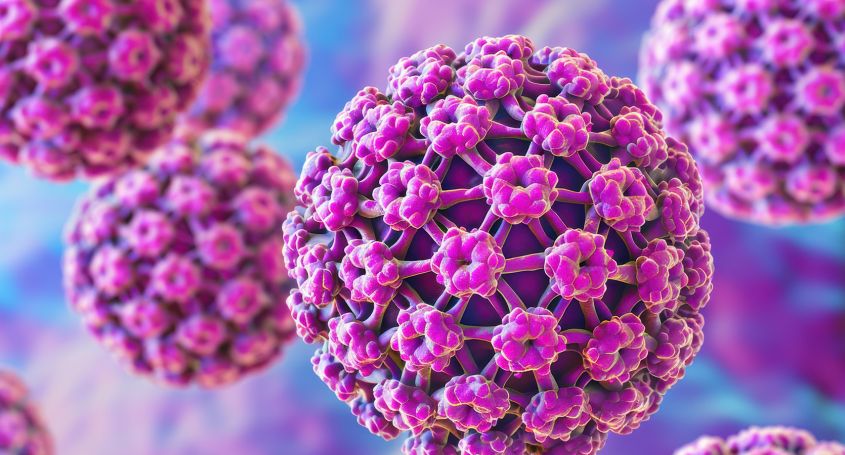

Human papillomavirus (HPV) infection is one of the most common sexually transmitted infections among sexually active people. In most cases, it causes no symptoms and the body clears it spontaneously, without it causing any health problems.
However, receiving a diagnosis of HPV can be a cause for concern, especially when you’re hoping to get pregnant or are planning assisted reproduction treatment.
Can HPV affect fertility?
In most cases, HPV infection does not directly affect fertility nor does it prevent pregnancy.
Many women with HPV go on to conceive, either spontaneously or through assisted reproduction treatments, without the infection posing an obstacle.
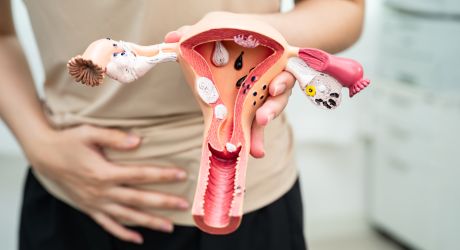
In some cases, the potential impact on fertility is not related to the viral infection itself, but to the lesions it can cause on the cervix and the treatments required to remove them. Even so, most women go on to become pregnant without any complications related to these procedures.
Can HPV affect assisted reproduction treatment?
Before starting fertility treatment, it is important to undergo a full gynaecological assessment to check that there are no abnormalities that could affect the course of treatment.
In many cases, treatment can begin without any changes to the planned schedule. However, if there are cervical lesions requiring treatment, the specialist may recommend treating them before starting fertility treatment.
The decision will always depend on the individual patient’s circumstances and the assessment carried out by the medical team.
Can HPV also affect male fertility?
In recent years, research has been conducted into the possible link between HPV and certain semen quality parameters.
Although some studies have observed a possible association between HPV infection and certain infertility parameters, the scientific evidence available to date does not allow us to confirm that the virus directly affects male fertility.
In any case, when there are difficulties in achieving pregnancy, assessing male factors is also part of the couple’s comprehensive evaluation.
The importance of gynaecological check-ups
HPV infection does not usually directly affect fertility nor, on its own, prevent pregnancy. However, lesions associated with the virus or the treatments required to manage them may necessitate a specific assessment before attempting to conceive or undergoing assisted reproduction treatment.
Therefore, undergoing regular gynaecological check-ups and ensuring appropriate follow-up allows for safer pregnancy planning and enables recommendations to be tailored to each woman’s needs.
At Barcelona IVF, we carry out a comprehensive assessment of reproductive health to offer personalised advice and design the most appropriate strategy based on each patient’s characteristics and reproductive goals.