Blog

Blog
Further information

Can Prolactin make it harder to get pregnant?

High prolactin levels outside pregnancy or breastfeeding can affect ovulation and make it more difficult to achieve pregnancy.

Further information

How to cope with a Miscarriage

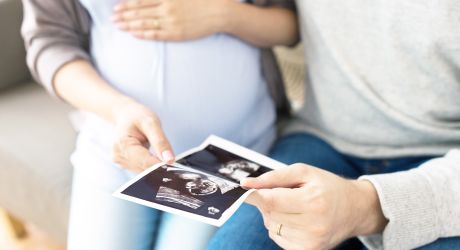
Miscarriage diagnoses are more common than you might think and many couples go through it before they get the baby they were hoping for.

Further information

Beta-expectancy: symptoms of pregnancy?

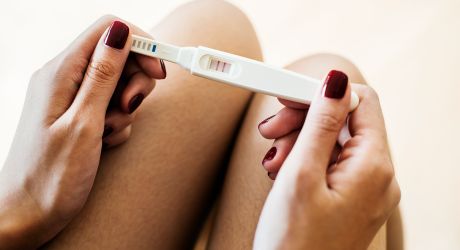
The period between the embryo transfer and the expected date of the pregnancy test is known as beta-expectancy. This period of about 14 days is one of the most uncertain times.

Further information

Blighted ovum: what it is and why it happens

What is a blighted ovum and why does the gestational sac remain empty? We explain the genetic causes behind an anembryonic pregnancy, how the diagnosis is confirmed between weeks 6 and 8, and why this experience does not mean you have a fertility problem.

Further information

Pregnancy Loss: How to Cope with Grief

Losing a pregnancy, whether in the early stages or later on, is a deeply painful experience. It not only takes a physical toll on the body but also leaves an emotional wound that requires time, understanding, and support to heal.

Further information

Understanding PCOS: Challenges and Solutions for Fertility

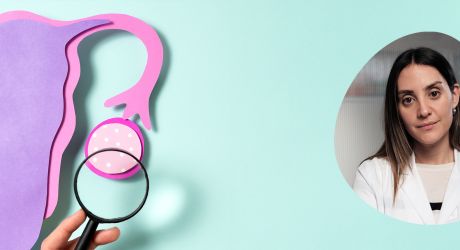
Polycystic ovarian syndrome (PCOS) is one of the leading causes of ovulation disorders and can pose a challenge for many women seeking to become pregnant.

Infertility treatments: what to expect or not to expect in the 2 ww.
Further information

Fertility Treatments: The Two-Week Wait After Embryo Transfer: What to Expect—and What Not To

This article could also be titled “the longest two weeks”, because for someone involved in and fertility treatment, they are.